
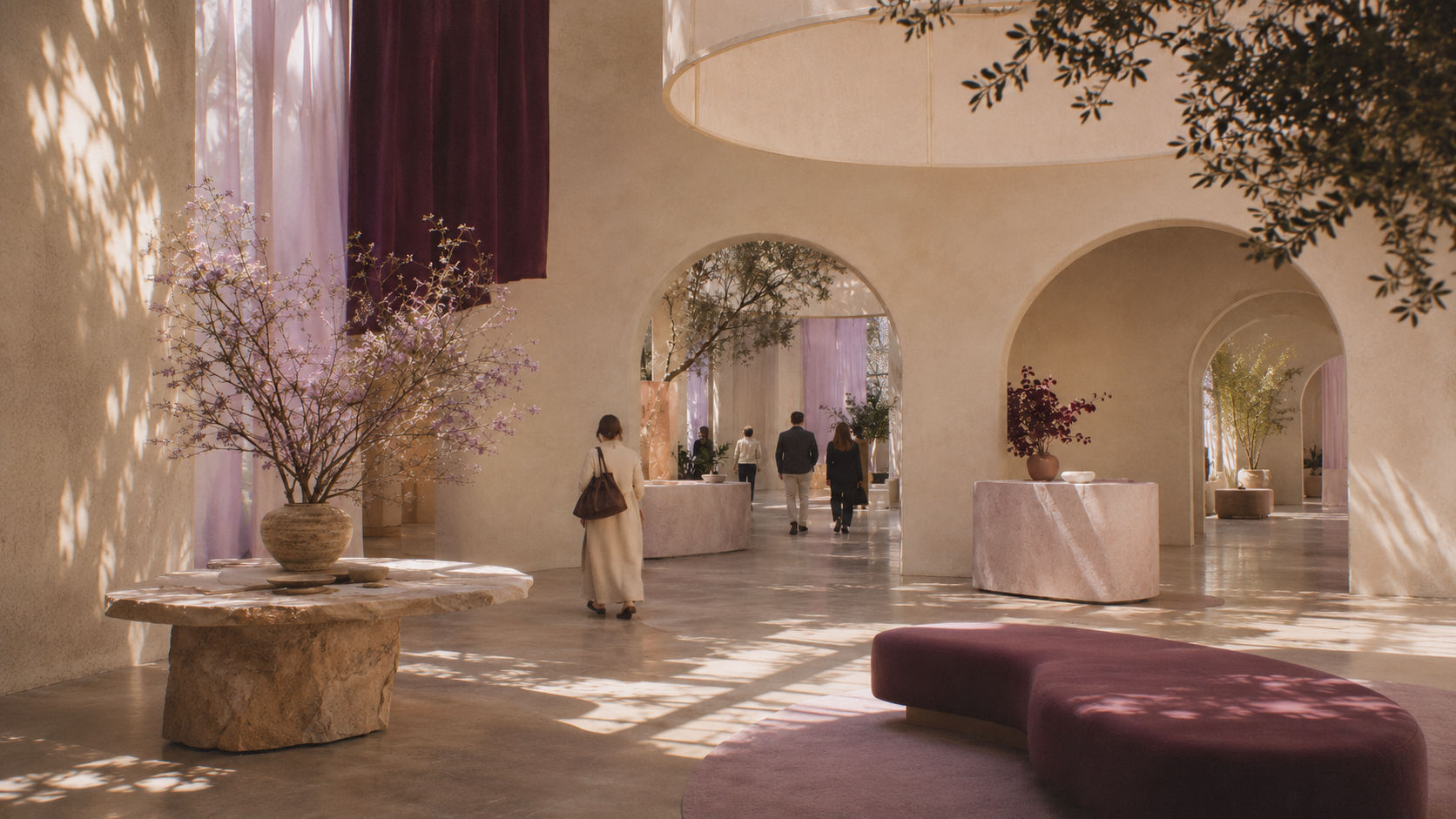
I've been noticing more and more small gatherings popping up. Some are brand collaborations, some are intimate events, and many are niche communities built around a shared interest.
They're deliberately select, often with only a handful of people in the room. And yet they rarely stay small, because what happens in that room gets shared on social and finds its way to people who were never there.
I don't think this is a passing trend. I think it says something about where people are right now, and about what brands need to understand if they want to be part of it.
Why we're craving each other again
We've always craved connection. That part isn't new. Online platforms have played a role in bridging it, and they still can.
What has changed is our awareness. People are becoming more conscious that the hours spent scrolling TikTok or Instagram may not be doing their mental health any favours. It's an easy way to lose track of time, and it can become a numbing tool, a way to avoid reality and our feelings rather than connect with anyone.
I notice this in my own life. So much of my time is spent on a screen: work, organising admin with family, researching holidays or things for the kids, parenting courses. Even my winding down at the end of the day is usually catching up on work, a TV series or a movie. I've become very conscious of how much screen time I'm consuming, so I've been deliberately building in interests and community events away from a screen, just to bring a bit more variety into my days and weeks.
I don't think I'm alone in that, and the research suggests the pull back towards each other has good reason behind it. University of Sydney research published in September, drawing on 23 years of national HILDA data, found social isolation in Australia rose from 16.9 per cent in 2001 to 29.9 per cent in 2023, with younger adults showing some of the largest increases in loneliness. And while AI has become part of how many people look for comfort, a University of British Columbia study found that chatting with a supportive chatbot lifted people's mood but didn't reduce their loneliness. Only conversations with a real person did.
People want more human-to-human contact, ideally with others who share their interests. That's where micro communities come in, and it's why I'd argue many of us are craving belonging more now than at any point in the last 10 to 20 years.
Brands are becoming physical
Brands have noticed, and many are looking for ways to be part of these worlds.
The advice that brand activity should align with your values isn't new. As a marketing professional who has worked in the industry for 20 years, I can confirm it's advice we've been giving for a long time, and most brands understand it. You've attracted your audience because of what you stand for, so if you create an activation or collaborate with a brand that doesn't reflect that, it won't land. The disconnect is too obvious.
What is changing is where those values have to show up. For a long time, brands could express what they stand for through what they say and how they look. Meeting this movement means taking a step further and making those values visible, bringing them to life in real-life contexts where people can experience them together. Brands are becoming physical.
There's no single rule for what that looks like. It might be something a brand initiates itself that becomes a signature event. It might be a collaboration with another brand, or supporting another brand's event through placement or a shared experience. What matters more is the intent behind it: helping people feel they belong, at a genuinely human level.
Small in the room, bigger online
There is a tension here, and founders tend to feel it quickly. The belonging comes from an experience being small and human, but a business needs that experience to be scalable and sustainable, and to deliver a return.
Part of the answer lies in the pattern I started with. The experience itself stays intimate, while what's captured and shared lets people feel part of the community engagement from afar. It gives a one-time event far more reach than the room could ever hold.
Brands can take cues from the entertainment industry here. Live music and theatre have always been about being there, yet we can now experience something like a Taylor Swift concert through a documentary that captures and retells it, streamed to millions of people who were never in the stadium. Behind-the-scenes footage and backstage moments give even the people who attended something they couldn't have seen from their seats. The live event and the online telling of it work together rather than competing.
What this looks like in practice
For founders, I think the starting point is what's manageable and realistic.
One signature activation or event that you can become known for, and build awareness and equity around, is often enough. If it's annual, the thinking, the campaign creative and the strategy can be replayed each year. That brings real efficiencies, and it means you're building on something every time rather than starting again.
Collaboration matters too. Partnering with aligned brands means you're not carrying the full weight of an activation yourself.
And it's a long game. It needs to be balanced with your other marketing initiatives, but I do believe it's important enough now to earn a place on your roadmap and in your overall marketing strategy.
What Byron Business Social has shown me
This is part of the reason I started Byron Business Social with my business partner. We saw a gap in the market for business events. Most of what existed was on a larger scale and less intimate, without a focused conversation, and we didn't feel there was enough real learning, support, understanding of what each other does, or collaboration happening in those rooms.
So we designed our monthly Coffee Casuals with intention. The group is capped at 15 people, which means we can actually have one conversation and go deeper than you might at other networking events. Each month has a topic relevant to founders, which gives the conversation an anchor point.
We've also been disciplined about what we create, because we both run our own businesses and have small families. I've been diligent about systemising everything so we're not reinventing the wheel. Coffee Casuals are always on the first Friday of the month at the same venue, and the topic program is created once rather than every month. Promotion follows a three-week content plan that runs ahead of each event.
Each year we build on it. We've added long lunches and an offsite retreat day, in response to what people are interested in and because they want to spend even more time together, sharing the realities of running a business and helping each other out. The program has grown because members asked for more time together, and the systems underneath it are what make that growth manageable for two founders with full lives.
Meeting the movement
People are looking for places to belong, and more of them are looking beyond a screen to find them.
For brands, meeting that movement can start small: one intentional, human experience that makes your values visible, designed so you can repeat it and share it well beyond the room. If belonging isn't yet part of your marketing strategy, it might be worth asking what that one experience could be for you.